
The Hidden Challenge in Australian Soils
Australia's diverse soils create regional mineral variations that directly impact livestock health.
From the ancient, weathered soils of Western Australia to the coastal sandy country of Queensland and the granite-derived pastures of Victoria, each region presents unique nutritional challenges for farmers managing cattle, sheep and goats.
According to Meat &Livestock Australia, the most common deficiencies affecting Australian livestock include copper, selenium, cobalt and phosphorus.
What makes these deficiencies particularly challenging is their regional nature, the supplements that work perfectly on one property may be entirely wrong for a neighbour just fifty kilometres away.
Understanding your local soil conditions is the first step toward addressing these hidden productivity losses.
Recognising the Warning Signs
Trace mineral deficiencies often go unnoticed because animals can appear healthy while quietly losing productivity. Learning to spot the visual and production signs early can save thousands in lost returns.
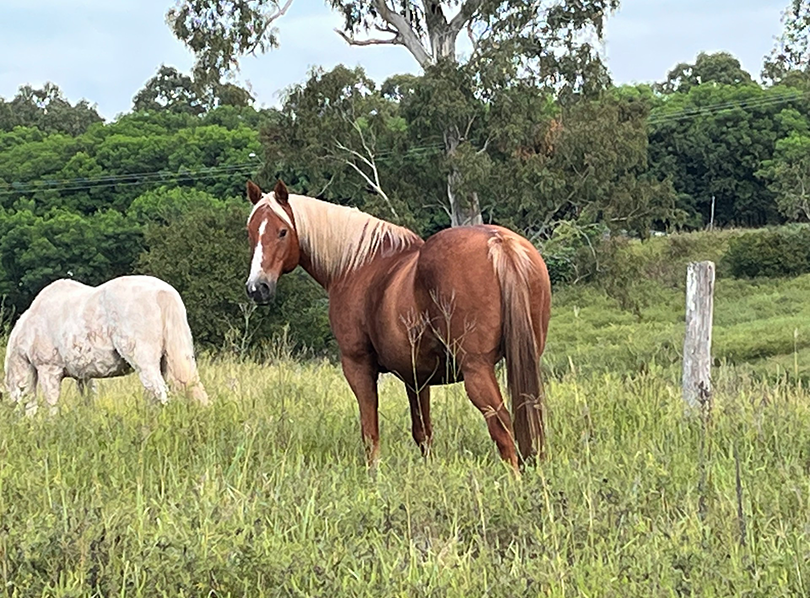
Copper deficiency is one of the most widespread issues in Australian livestock. Affected animals typically present with rough, faded or "steely" coat colour, particularly noticeable around the eyes in cattle.
In sheep, the wool may lose its crimp and appear harsh. Beyond appearance, copper-deficient animals often show poor growth rates, reduced fertility and increased susceptibility to infections.
Selenium deficiency can have devastating consequences, causing white muscle disease in lambs and calves.
This condition results in muscle weakness, stiffness and sudden death in young stock. Adult animals may show reduced fertility, poor immune function and increased mastitis in dairy cattle.
Cobalt deficiency leads to reduced appetite and poor growth and is particularly problematic during spring flush.
When animals graze lush, fast-growing pastures without ingesting soil, they miss out on the cobalt normally consumed incidentally. The result is "ill-thrift", animals that simply fail to perform despite abundant feed.
A Targeted Approach to Supplementation
Verdyn Stock Health’s MegaTrace is uniquely formulated to address these common deficiencies with a comprehensive blend that's easily assimilated by livestock.
The key to effective supplementation lies not just in providing minerals, but in ensuring they're in forms the animal can readily absorb and utilise.
This is where chelated minerals make the difference. Unlike inorganic mineral forms that may passthrough the digestive system largely unused, chelated minerals are bound to organic compounds that improve bioavailability.
Simply put, bioavailability determines how much of a supplement benefits the animal rather than ending up in the dung.
When Supplementation Matters Most
While year-round mineralnutrition supports overall herd health, certain periods demand extra attention.Pregnancy and lactation place enormous mineral demands on breeding stock.
Selenium and copper are critical for foetal development, while lactating animals mobilise body reserves that must be replenished to maintain conditionand fertility for the next joining.
Rapid growth phases inyoung stock also increase mineral requirements. Weaners transitioning to new pastures benefit significantly from targeted supplementation during this stressful period.
Geography plays a crucial role too. Animals grazing on known deficient country, coastal sandy soils, granite-derived pastures, or high-rainfall regions where nutrients leach readily require consistent supplementation programs tailored to local conditions.
Take the Next Step
Every farm is different, and the most effective supplementation programs are built on local knowledge.
We recommend consulting with your local agronomist or veterinarian to test for regional deficiencies and tailor a mineral program to your specific operation.
Speak to the Verdyn StockHealth Team to discuss how MegaTrace can fit into your livestock nutrition program.