
How Do You Actually Diagnose a Soil Problem, Not Just Guess?
Pasture issues rarely startwith a lack of fertiliser. More often, they start with assumptions. A paddock looks green, so it must be healthy. Growth slows, so another application goes out. Results lift briefly, then taper off again. Inputs increase; efficiencydoes not.
For Australian farmers focused on performance and profitability, guessing is an expensive way to manage soil.
Diagnosing soil properly isnot about chasing symptoms. It is about understanding how soil, water, biology, and management interact, then making informed decisions that improve pasture performance over time.
Why visual cues can mislead
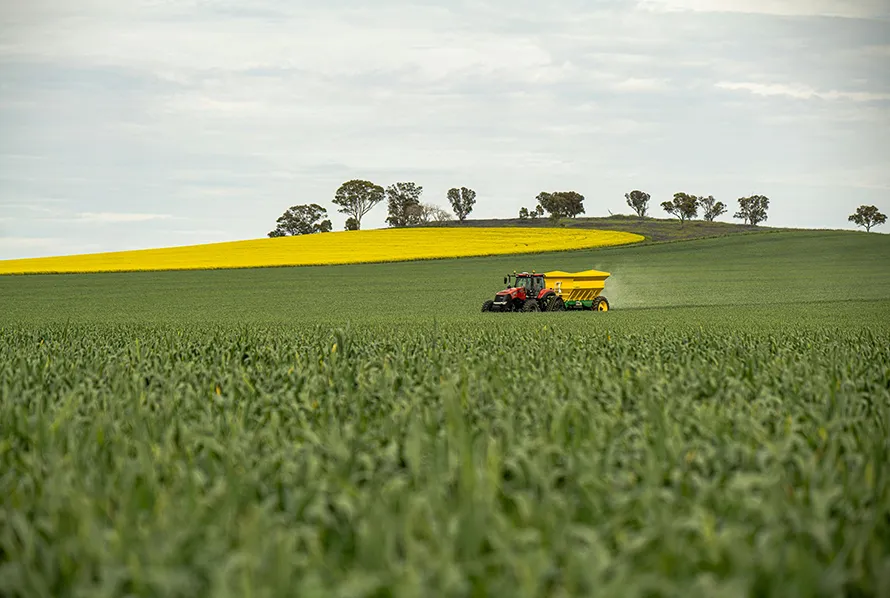
Green pasture is not the same as productive pasture. Colour often reflects nitrogen availability in thes hort term, not overall soil function. Pastures can look strong while rootsremain shallow, nutrient uptake is restricted, or sugars are limited.
When decisions are based on what is visible alone, the real constraints often remain untouched. That is when fertiliser programs feel hit and miss.
Good diagnosis looks beneath the surface.
What proper soil diagnosis involves
Effective soil diagnosis is a process, not a single test result. At its core, it answers one simple question. What is limiting performance right now?
A sound approach considers several factors together.
Soil testing with interpretation
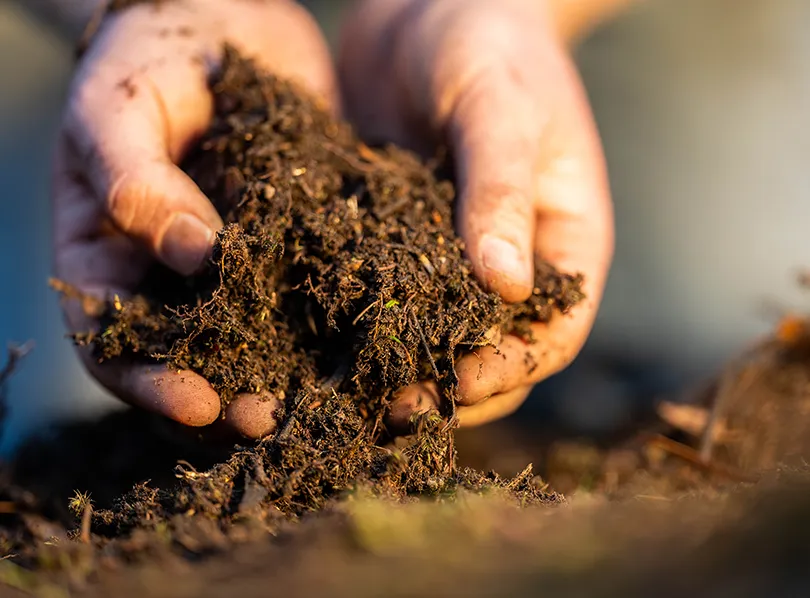
Soil tests provide data, but data alone does not drive results. Interpreting mineral balance, nutrient ratios, and trends over time is what turns numbers into decisions.
Water quality and delivery
Water influences nutrient availability, soil biology, and stock performance. Minerals, salts, and biological load in water can either support or restrict system function.
Paddock history
Fertiliser history, grazing pressure, cultivation, and pasture species all affect how a paddock responds. Two paddocks side by side can behave very differently because their pasts are different.
Seasonal timing
Applying the right input at the wrong time limits its impact. Temperature, moisture and biological activity all influence how effectively nutrients move through the soil profile.
Stock interaction
Pasture performance is linked to animal demand. Grazing pressure, recovery timeand nutrient cycling through stock all feed back into soil condition.
When these elements area ssessed together, patterns emerge. That is when targeted solutions become possible.
Where fertiliser programsoften fall short
Many fertiliser programs focus on supplying nutrients without addressing whether the soil system can access and use them efficiently.
Common challenges include nutrient lock-up, poor biological activity, and imbalanced soil chemistry. In these situations, increasing application rates rarely delivers proportionalgains. Inputs are present, but performance lags.
The issue is not fertiliser itself. The issue is how well the system can convert inputs into pasture growth.
A smarter path to soil performance
This is where experience matters. At Verdyn Plant Health, soil diagnosis starts with understanding thewhole farming system before recommending inputs.
Biologically enhancedfertilisers are used as tools to support soil function, not as standalone fixes. Their role is to improve nutrient availability, stimulate biologicalactivity, and help soils work more efficiently with what is already there.
When biology, minerals, and management are aligned, fertiliser inputs deliver more consistent and lasting results.
What better diagnosis delivers on farm
A clear understanding ofsoil constraints leads to practical outcomes
- Improved utilisation of existing nutrients
- More consistent pasture growth and regrowth
- Better response to fertiliser programs
- Greater resilience through variable seasons
- More efficient use of input dollars
Most importantly, decisions are made with confidence rather than hope.
Making soil decisions with clarity
Every farm is different. That is why diagnosis matters more than recipes. When soil decisions are guided by data, experience, and system understanding, performance follows.
Guessing treats symptoms. Diagnosis builds capability.
That is the smarter path to peak farm performance.