

Explore frequently asked questions about crop nutrition, soil health and foliar fertilisers. Our Plant Health FAQs explain nutrient uptake, plant performance and sustainable farming practices to help maximise yields and long-term soil productivity.
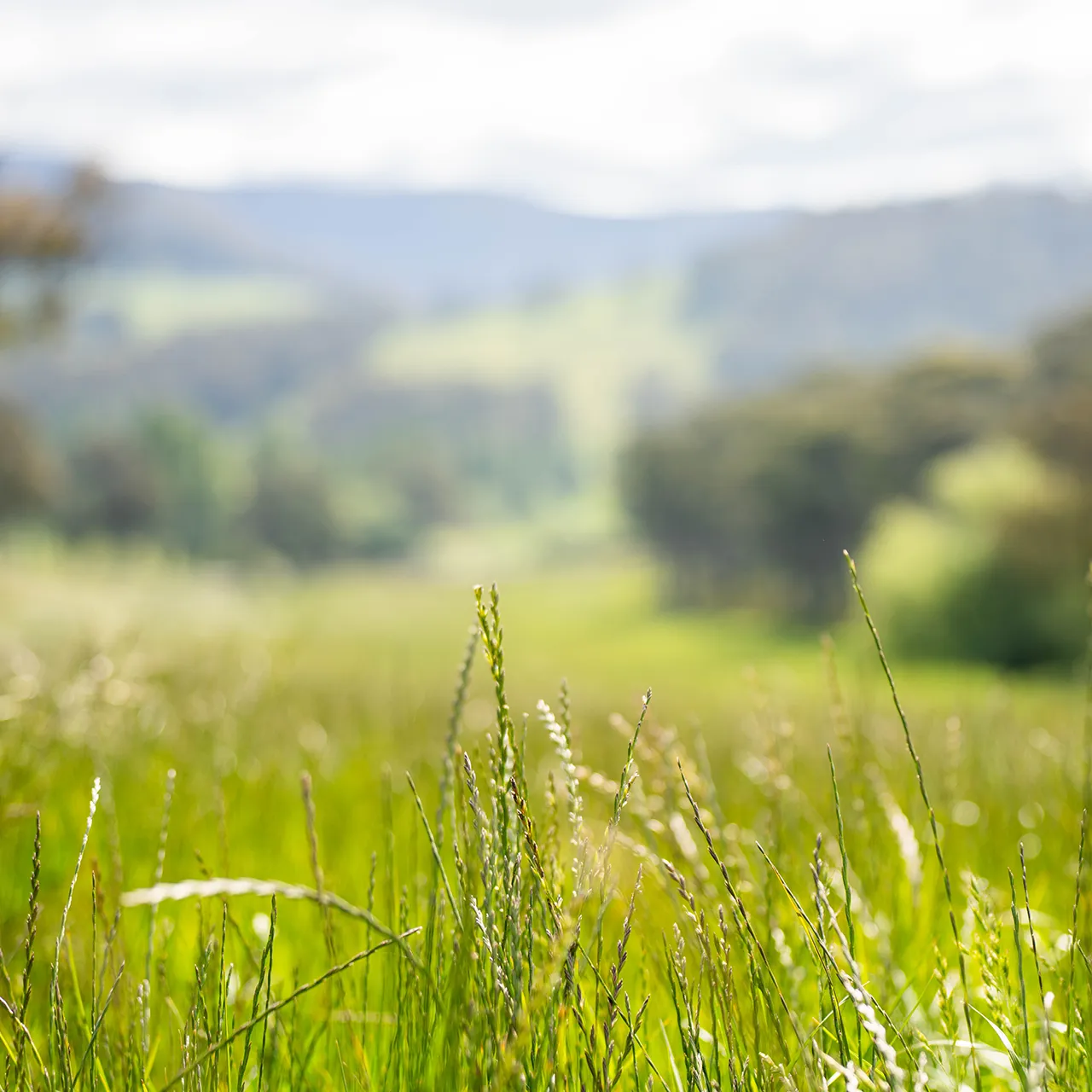

Bio-Boost is a biologically enhanced liquid fertiliser system designed to deliverbalanced nutrition directly to your pastures and crops.
After extensive trials and on-farm observation over many years, we've found that 10 litres per hectare is the optimal rate for most applications. This provides the ideal balance of nutrients and biological activity to support healthy plant growth without waste.
Not necessarily. Our research consistently shows that 10 litres per hectare hits the sweet spot for nutrient delivery and soil biology activation. Rather than doubling upon a single application, you'll see greater benefits from more frequent applications at the standard rate. This approach maintains consistent nutrient availability throughout the growing season.
Yes. Many of our customers have significantly reduced or eliminated their reliance on solid fertilisers, lime, and urea. Bio-Boost delivers a comprehensive, balanced nutrient profile that supports healthy plant growth without the lockup and leaching issues common with conventional inputs. Your results will depend on your soil's current condition - we recommend starting with an independent soil test so we can tailor a program to your specific needs.
Farmers using Bio-Boost regularly report a range of benefits across their operations:
Pasture improvements: Greater plant density and more even grazing patterns, with livestock consuming pasture more uniformly rather than selectively grazing.
Animal health: Reduced incidence of common issues including pink eye, grass tetany, and worm burden. Livestock grazing Bio-Boost treated pastures appear more contented and relaxed.
Production outcomes: Improvements in milk quality for dairy operations, along with fewer disease and insect pressures overall.
These results stem from the connection between balanced soil nutrition and the quality of feed your animals consume - nutrient-dense pasture supports healthier, more productive livestock.
Unlike conventional fertilisers that can bypass soil biology or become locked up, Bio-Boost works with your soil's natural systems. The biologically enhanced formulation feeds both your plants and the beneficial microbes in your soil, improving nutrient cycling and availability over time. This means more of what you apply reaches your pastures - rather than leaching into waterways or becoming unavailable in the soil.
We recommend beginning with a comprehensive, independent soil test. This tells us exactly what your soil needs, allowing us to create a tailored program that addresses your specific nutrient deficiencies.
Contact us to arrange your soil assessment and discuss how Bio-Boost can fit into your farming system.
Get clear answers about livestock supplements, animal nutrition and farm performance. Our Stock Health FAQs cover mineral balance, digestion support and natural solutions designed to improve cattle, sheep and equine health across Australian farming operations.
Stock Health Double Strength Apple Cider Vinegar is a specially formulated unpasteurised natural supplement that retains the mother of vinegar for maximum benefit. Below are answers to our most frequently asked questions.
Apple cider vinegar helps maintain your animals vital pH acid/alkaline balance. An animal's blood is naturally slightly alkaline (pH 7.30-7.40), and despite being an acidic solution, apple cider vinegar has an alkalizing effect that supports this healthy state. When gut pH is balanced, beneficial bacteria can work more efficiently, supporting better digestion, nutrient absorption, and overall health.
Because Stock Health Apple Cider Vinegar is double strength (8%), you need less than standard products. As a general guide, we suggest approximately 10ml per100kg of body weight daily. Here are specific dosage rates:
Horses: 50ml as a diluted drench, or 20ml per head daily in feed or water
Cattle: 30-40ml as a diluted drench, or 10ml per head daily in water or feed
Sheep and Alpacas: 20ml as a diluted drench (50/50 with water), or 5ml per day infeed or water
Pigs: 5ml per head daily in feed or water
Poultry: 1ml per bird daily, or 80ml per bucket of water for 100-150 birds
Dogs: 5ml daily in water
These are suggested rates for average-sized animals and can be adjusted based on individual size and condition.
Smaller, regular doses are more effective than large, infrequent amounts. Making Stock Health Apple Cider Vinegar a consistent part of your animals daily diet delivers better results for maintaining optimum health. Think of it as on going maintenance rather than occasional treatment.
Absolutely. While ACV is well-known in the equine industry, farmers and breeders have been using Stock Health Apple Cider Vinegar across all livestock types for many years - cattle, sheep, goats, pigs, poultry, alpacas, and working dogs all benefit. A few drops in your chooks water or a capful into the goats feed goes a long way toward supporting good animal health.
Stock Health Apple Cider Vinegar is the only double strength (8%) product on the market made from whole apples at an organically certified orchard. It's unpasteurised and retains the mother of vinegar, which preserves all the vitamins, minerals and trace elements. This means it assimilates well for optimum performance in your animals.
Stock Health Apple Cider Vinegar is available from quality produce stores and rural suppliers Australia-wide.
Locate your nearest stockist in our Search A Stockist Page or please get in touch with us for assistance.
Find answers to common questions about biological wastewater treatment, effluent management and microbial solutions. Learn how Bio Health products improve water quality, reduce sludge build-up and support sustainable environmental performance across agricultural and industrial systems.

BioForce is a biological effluent treatment product that uses beneficial bacteria to transform problem waste ponds into valuable farm assets.
The real culprits are anaerobic bacteria - microscopic organisms that thrive in dark, oxygen-free environments. To create their ideal living conditions, these bacteria separate the effluent fibres and push them to the surface (forming the crust) and to the bottom (forming the sludge). The crust and sludge you see are symptoms of an anaerobic bacterial problem, not the problem itself.
BioForce introduces aerobic (oxygen-loving) bacteria that counteract the problem-causing anaerobic bacteria. We use a highly concentrated mixture of six patented Bacillus bacteria strains, each producing multiple enzymes. These beneficial bacteria digest and break down the solids and fibre content of your effluent. They immediately begin eating the top crust to let in more light and oxygen, and because they double in number every 15-20 minutes, they can clear a crusted pond in a matter of weeks.
Absolutely. Your effluent pond is actually rich in nutrients - nitrogen, phosphorus, potassium, and all the major elements required for plant growth. The problem is thatin untreated effluent, nutrients like nitrogen are in a volatile form that easily leaches away or escapes into the atmosphere. BioForce's aerobic bacteria change this by converting the nutrients to a more stable, organically bound form. The result is less leachable nutrients that are more available to your plants over time. Farmers using BioForce-treated effluent report significant improvements in pasture quality, density, and even increases in earthworm and dung beetle activity.
Most farmers see visible changes within the first week - edges showing new grass growth and small wet areas appearing as the crust begins to break down. By 4weeks, you'll typically see significant holes forming in the crust and the surface becoming soft and mobile. By 6-8 weeks, heavily loaded ponds can be transformed into almost completely liquid ponds with no crust visible. Results vary depending on pond size, sludge depth, and ongoing waste load, but our 100% money-back guarantee means you have nothing to lose.
The conventional way of managing effluent requires expensive machinery -separators, agitators, pumps, and stirrers. There's the initial purchase cost, ongoing running costs, and maintenance expenses. Mechanical clean-outs can cost tens of thousands of dollars and only provide a temporary fix. BioForce offers a more cost-effective, ongoing solution. Once treated, you can use your effluent as irrigation water without blocking pumps, and the biological process continues working as long as you maintain regular dosing. One Gippsland farmer told us he'd given up trying to use his pond for irrigation because it kept blocking his expensive pumps - after BioForce treatment, he now uses it regularly with no issues.
BioForce is designed for use across a wide range of agricultural and waste water applications, including:
Agricultural: Dairy and pig manure lagoons, poultry operations, abattoirs and rendering plants, manure composting, and livestock waste ponds.
Waste water: Septic tanks, aerated treatment units, activated sludge treatment plants, and municipal systems.
Food service: Milk processors, restaurants, ice cream manufacturers, and food production facilities.
Get in touch with Paul Cox and the Verdyn team for expert advice on your specific situation.
