
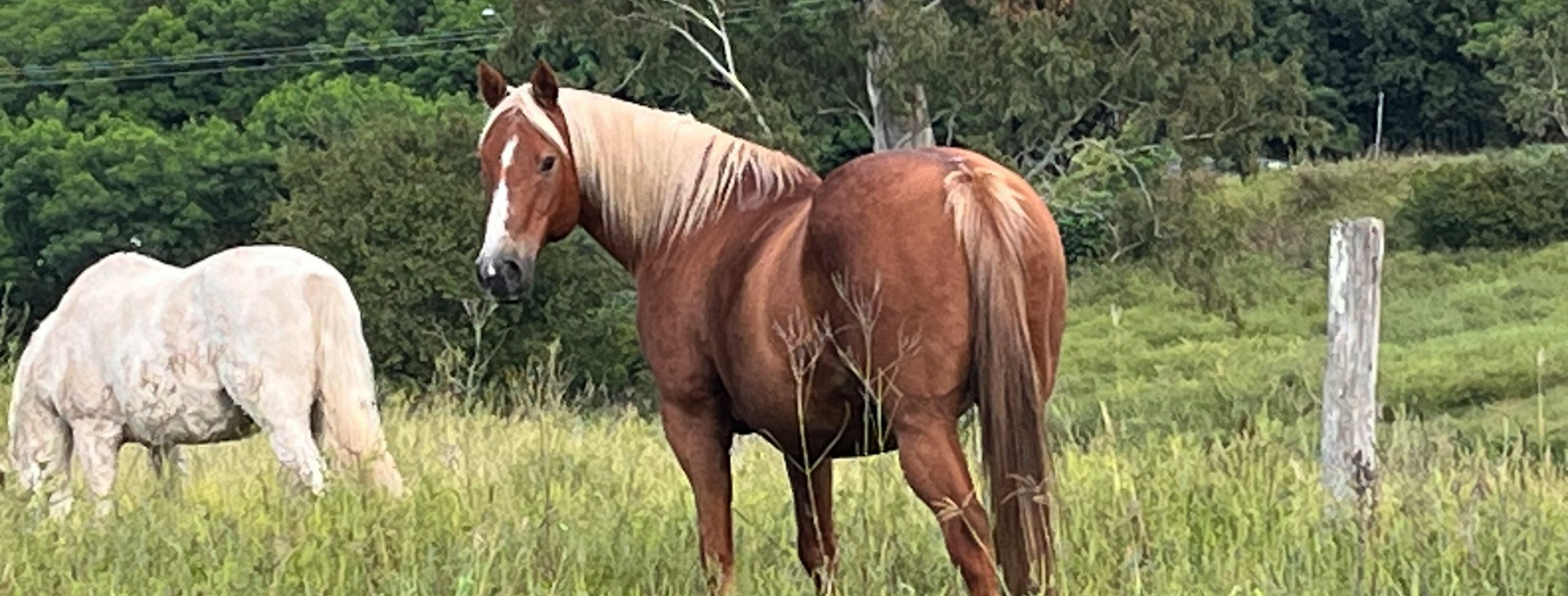
It is a familiar scenario for many Australian horse owners. Feed programs are well considered, forage is available, and daily management issound, yet the horse lacks topline, depth of condition, or coat bloom.
In many cases, this is not a question of feeding more, but of how effectively the horse is able to utilise what it already consumes.
Understanding digestive efficiency and nutrient availability is central to supporting condition, performance, and long-term soundness.
Is Feed Intake the Same as Feed Utilisation in Horses?
No. Intake and utilisation are closely linked but not interchangeable.
Horses are hindgut fermenters, relying on microbial activityin the caecum and colon to extract energy from fibre. Even when calorie intakeappears adequate, limitations in digestion or absorption can reduce how muchnutrition is ultimately available to support muscle, topline, and tissue quality.
Equine nutrition research consistently shows that improvements in digestive efficiency often deliver better outcomes than simplyincreasing feed volume.
How Does Hindgut Function Influence Condition and Muscle Development?
The hindgut plays a critical role in fibre fermentation andvolatile fatty acid production, which supply a significant portion of a horse’s daily energy requirements.
When hindgut conditions are well supported:
- Fibre is broken down more efficiently
- Energy availability increases
- Protein and minerals are better utilised
- Horses maintain condition more consistently
Disruptions can occur during feed changes, periods of stress, high-grain rations, or inconsistent forage quality. Even low-grade digestiveimbalance can influence how well a horse converts feed into muscle andcondition, without obvious signs of illness.
Insights shared through Australian Equine Veterinary Association highlight the importance of supporting hindgut stability as part of everyday management, particularly for performance and ageing horses.
What Role Do Minerals Play in Top line and Coat Quality?
Minerals are fundamental to muscle function, enzyme systems, connective tissue strength, and coat quality.
Australian forage and water sources can naturally contain elevated levels of certain minerals such as iron or calcium. These caninterfere with the absorption of essential trace elements including copper andzinc, both of which are critical for muscle development, coat condition, and hoof integrity.
When mineral balance is supported and absorption pathways arefunctioning efficiently, horses are better positioned to express condition and topline without unnecessary increases in feed or supplementation.
Why Does Digestive Environment Matter More Than Feed Quantity?
Digestive efficiency is influenced not only by what is fed, but by the environment in which digestion occurs.
A well-supported digestive environment allows:
- Consistent microbial activity
- Improved fibre utilisation
- Better mineral solubility
- Steadier energy release
Research into equine digestion, including studies referenced through Rural Industries Research and Development Corporation, shows that management practices which support gut stability contribute to improved condition, particularly in horses under training, travel, or seasonal stress.
How Can Organic Acids Support Digestive Efficiency?
Organic acids have a recognised role in supporting digestive processes across livestock species, including horses.
Apple Cider Vinegar contains naturally occurring organic acids that can:
- Support a balanced digestive environment
- Improve mineral solubility
- Assist microbial function in the hindgut
- Encourage steady feed and water intake
When used appropriately, organic acids act as a supportive input, helping the digestive system work efficiently rather than masking underlying issues or replacing sound feeding practices.
Why Is Water Intake Part of the Condition Equation?
Water intake is directly linked to digestion and feed utilisation.
Adequate hydration supports:
- Fibre fermentation in the hindgut
- Nutrient transport and absorption
- Thermoregulation and recovery
Delivering supportive inputs via water systems can assist consistency, particularly during hot weather, travel, or changes in routine. Improved palatability and steady intake help ensure horses receive ongoing digestive support without reliance on variable feed acceptance.
Where Should Horse Owners Focus First?
For owners aiming to improve condition and topline without overfeeding, practical focus areas include:
- Supporting hindgut function
- Encouraging mineral availability rather than excess intake
- Maintaining consistent water consumption
- Choosing low-intervention strategies that complement existing diets
These fundamentals often unlock better outcomes by helping horses make full use of the nutrition already being provided.
Good feeding programs create opportunity. Efficient digestion turns that opportunity into visible condition and performance.
By supporting digestive efficiency, mineral utilisation, and consistent intake, horse owners can help their animal’s express strength,topline, and overall vitality more fully. Practical, supportive inputs such asorganic acids delivered through water systems can play a valuable role in this whole-horse approach.
Optimising what is already working is often the most effective path to lasting results.